
 topgamerzone38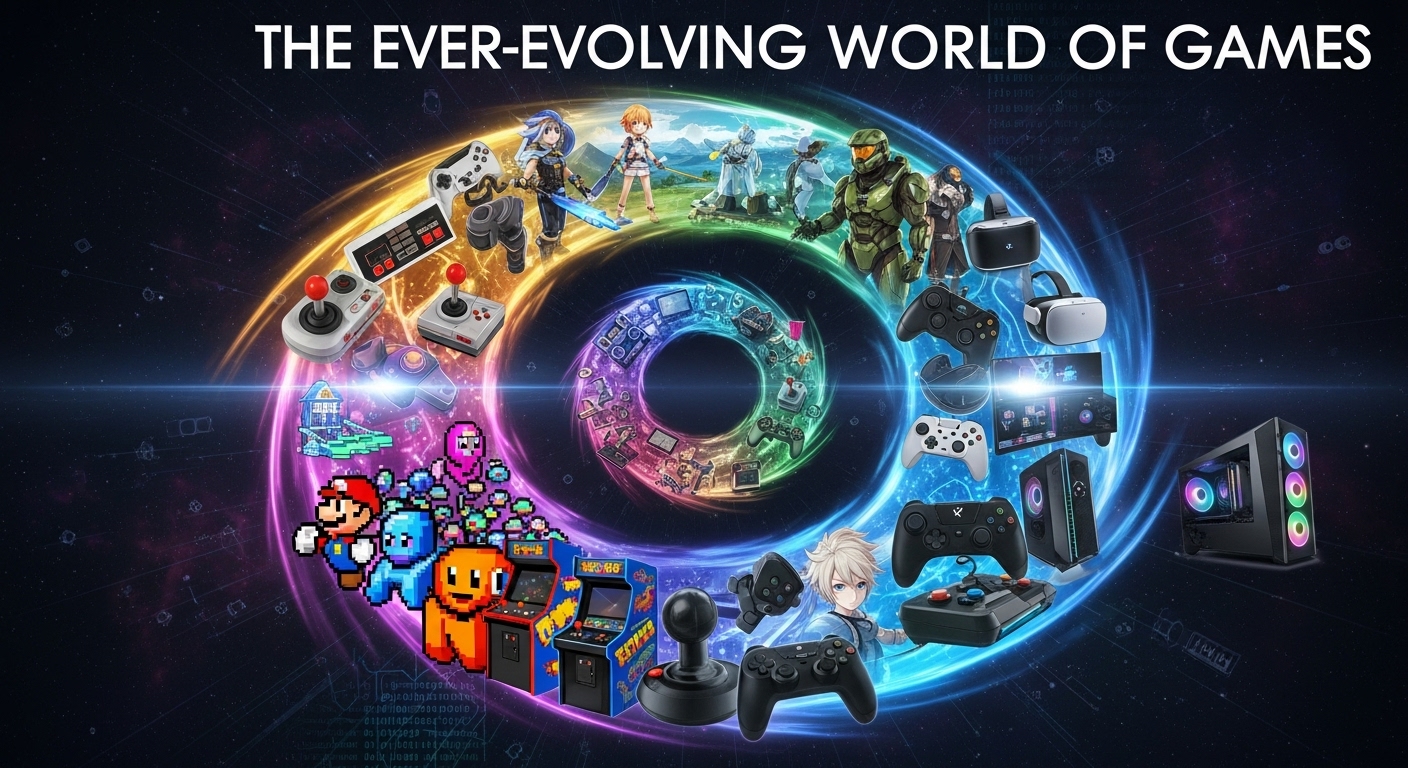
Games have been part of human life since ancient times. Whether it was chess played by royal minds in old palaces or outdoor games played by children in open fields, games have always served one common purpose — entertainment. Over the decades, the idea of games has evolved from simple activities to complex digital experiences that now define modern culture. Today, games are more than just a way to pass time; they are a form of art, expression, competition, and even livelihood for millions around the world.
The Ancient Roots of Gaming
Before the invention of screens and consoles, games were entirely physical and communal. People played using natural objects such as stones, sticks, or handmade boards. One of the earliest known games, Senet, was played in ancient Egypt over five thousand years ago. The idea of using strategy and chance to win has been deeply embedded in human psychology since then.
Similarly, games like Go in China and Chess in India demonstrated that gaming was not only about entertainment but also about intellectual stimulation. These ancient games required players to think ahead, anticipate opponents’ moves, and plan strategies — much like modern competitive games today. Even then, the core elements of competition, strategy, and reward existed, making games a universal part of human culture.
The Transition into Modern Play
The industrial era changed everything. With more leisure time available due to technological advancements, people began creating more organized forms of entertainment. Board games like Monopoly, Scrabble, and Risk became household favorites. These games encouraged social interaction, negotiation, and even mild arguments among friends and families — something that became part of the charm.
The twentieth century marked the beginning of organized sports and professional competition. Football, cricket, basketball, and tennis became not just games but also careers and global phenomena. The concept of winning trophies, representing nations, and earning fame made games more serious, disciplined, and structured. People started to view games not only as fun but as something capable of inspiring unity and pride.
The Birth of Digital Games
The digital age completely redefined what it meant to play. The 1970s introduced the first generation of video games, starting with simple titles like Pong and Space Invaders. Although primitive by today’s standards, these games opened the door to a new world. They required skill, timing, and focus — and most importantly, they brought games into homes through early consoles and computers.
Arcade gaming became a cultural phenomenon in the 1980s. Young people gathered in neon-lit arcades to compete for the highest scores. It was more than a pastime; it was a social experience. Then came Nintendo, Sega, and later Sony, each contributing to the rapid evolution of gaming technology. The introduction of iconic characters such as Mario, Sonic, and Link made gaming not just a form of entertainment but a storytelling medium with emotional and imaginative depth.
The Rise of Storytelling in Games
As technology advanced, games became more cinematic and emotionally engaging. The narrative aspect of gaming grew stronger. Developers started to realize that players could connect with stories, characters, and worlds in a more interactive way than films could offer. Games like Final Fantasy, The Legend of Zelda, and Metal Gear Solid demonstrated that storytelling could be deeply woven into gameplay.
Modern players no longer just pressed buttons; they lived through experiences. They made choices, influenced story outcomes, and connected emotionally with fictional characters. This transformation blurred the line between games and art. Developers began treating games as serious creative projects that combined writing, music, design, and technology.
The Social Power of Multiplayer Games
One of the biggest shifts in the history of games came with multiplayer gaming. The ability to connect and play with others across distances changed the very fabric of how people interacted with games. Titles like Counter-Strike, World of Warcraft, and Call of Duty created global communities of players.
Playing online meant players could now compete, cooperate, or simply chat with people from different cultures and countries. Games became digital meeting grounds. Esports rose from this culture — professional tournaments watched by millions online. Today, esports is a billion-dollar industry, and top players are treated like celebrities.
Gaming also created unique friendships. Many players have built lasting connections with people they met in online worlds. It’s a powerful reminder that games, though virtual, can build very real human bonds.
The Mobile Revolution
The 2010s brought another massive change — the rise of mobile gaming. Suddenly, anyone with a smartphone could play. You didn’t need an expensive console or PC; a simple tap on a screen could open a game.
Mobile games like Angry Birds, Clash of Clans, and Candy Crush reached billions of people. These titles simplified gaming and made it accessible to all ages. From children to grandparents, everyone found something enjoyable in casual mobile play.
Mobile gaming also made developers rethink design philosophies. Games had to be quick, intuitive, and rewarding in short bursts. This trend shaped the future of game development by emphasizing accessibility over complexity.
The Psychological Impact of Games
Games influence the human mind in fascinating ways. They can stimulate creativity, problem-solving, and focus. Studies have shown that games improve hand-eye coordination and cognitive flexibility. Strategy games develop planning skills, while puzzle games enhance logical thinking.
But the impact isn’t purely positive. Like any form of media, games can become addictive. The reward systems built into many modern titles can trigger dopamine responses that keep players hooked for hours. This has led to debates about responsible gaming habits and parental controls.
However, games have also proven to be therapeutic. Many people use gaming as a way to relax, cope with anxiety, or escape daily stress. Virtual worlds offer a safe space where players can express themselves freely, experiment with new identities, and even build confidence.
The Evolution of Graphics and Realism
One of the most impressive aspects of gaming evolution is how far graphics have come. Early games used pixelated shapes and limited colors. Today, video games can achieve near-photorealistic visuals. Modern engines allow developers to create vast, lifelike worlds filled with detailed textures, dynamic lighting, and realistic physics.
This evolution has made gaming more immersive. Players can explore environments that feel real — from ancient ruins to futuristic cities. Virtual reality has taken this further, letting players step directly into the game world. The combination of visual fidelity and interactivity makes modern gaming one of the most advanced art forms of our time.
The Importance of Music in Games
Music has always been crucial in creating atmosphere, tension, and emotion. From the nostalgic melodies of 8-bit soundtracks to sweeping orchestral scores in modern titles, game music has evolved into a respected art form. Composers like Nobuo Uematsu and Koji Kondo have become legends for their work.
Sound design affects how players feel. A dramatic soundtrack during a battle can heighten adrenaline, while a calm melody during exploration can create peace. Music also acts as a form of memory — many gamers can instantly recall tunes from their favorite childhood games.
The Business of Gaming
The gaming industry has grown into one of the largest entertainment sectors globally. It now surpasses both film and music in total revenue. Major studios release blockbuster titles with budgets comparable to Hollywood films, while independent developers create smaller yet creative projects that captivate millions.
Merchandising, streaming, and content creation have expanded gaming beyond just playing. Platforms allow gamers to broadcast their experiences to audiences worldwide. Influencers, streamers, and content creators have turned gaming into a full-time career. It’s a massive ecosystem where creativity, technology, and commerce blend together.
The Role of Artificial Intelligence in Gaming
Artificial Intelligence has transformed game design and player experience. AI opponents now learn from player behavior, making gameplay more dynamic. Non-player characters (NPCs) can react intelligently, adapt to tactics, and create unique experiences each time.
AI also powers game development tools. It can generate landscapes, animate characters, and even assist in writing dialogue. The future might see AI-driven games that evolve entirely based on player decisions, creating endless possibilities.
The Rise of Virtual and Augmented Reality
Virtual Reality (VR) and Augmented Reality (AR) have opened new frontiers. VR immerses players in three-dimensional worlds, while AR overlays digital elements onto the real world. These technologies make gaming more sensory and interactive.
Games like VR shooters, exploration titles, and fitness apps have demonstrated how these innovations can transform traditional gaming experiences. The sense of presence — feeling physically inside the game — makes VR one of the most exciting frontiers in entertainment.
The Power of Indie Games
While big studios dominate headlines, independent or “indie” games have quietly changed the industry. Indie developers often focus on creativity and emotion rather than large-scale production. Games like Stardew Valley, Undertale, and Hollow Knight prove that even small teams can create masterpieces with heart and originality.
Indie games have redefined what makes a game great. It’s not about budget or graphics but about passion, storytelling, and innovative design. These games often explore themes that mainstream studios might avoid, such as loneliness, identity, and morality.
The Cultural Impact of Games
Games are now an integral part of culture. They influence fashion, music, movies, and art. Characters like Mario, Lara Croft, and Master Chief are recognized worldwide. Gaming conventions and expos attract millions of fans every year.
Moreover, games have become a way to tell stories about real issues — war, mental health, the environment, and society. Titles like Life is Strange and The Last of Us demonstrate that games can evoke deep emotional responses and start meaningful conversations.
The Future of Gaming
The future of gaming looks limitless. Cloud gaming is already removing the need for powerful hardware, allowing anyone with an internet connection to play high-end titles. Artificial intelligence will continue to evolve player experiences. Virtual reality and augmented reality will blur the line between reality and imagination even further.
There’s also a growing focus on inclusivity and accessibility. Developers are working to make games playable for people with disabilities, ensuring everyone can experience the joy of gaming. The rise of cross-platform play means players can connect regardless of the device they use.
Another promising direction is the use of games in education. Educational games help children learn math, science, and language through interactive play. Simulation games are used for training in fields like medicine, aviation, and engineering. The potential for learning through games is only beginning to be realized.
The Emotional Connection Between Players and Games
Beyond graphics and technology, what truly makes games powerful is the emotional connection they create. Players often spend hundreds of hours in virtual worlds, forming bonds with characters and communities. They experience joy, sadness, victory, and loss in ways that feel deeply personal.
Games allow people to experience things impossible in real life — exploring distant planets, living in fantasy worlds, or simply creating their dream lives. They offer a sense of control and freedom that few other mediums provide. This emotional depth is why gaming has become one of the most significant art forms of the modern era.
Conclusion: More Than Just Play
Games are not just entertainment; they are a reflection of human creativity, intelligence, and emotion. From ancient board games to advanced virtual worlds, they have evolved alongside humanity itself. They teach us strategy, teamwork, patience, and empathy.
In many ways, games mirror life — full of challenges, rewards, choices, and consequences. Whether you are a casual player enjoying a mobile puzzle or a dedicated gamer competing in global tournaments, you are part of a vast, vibrant culture that continues to shape the future of entertainment.
The story of games is far from over. It continues to grow with every player, every new idea, and every spark of imagination that turns play into something truly extraordinary.


