
 topgamerzone38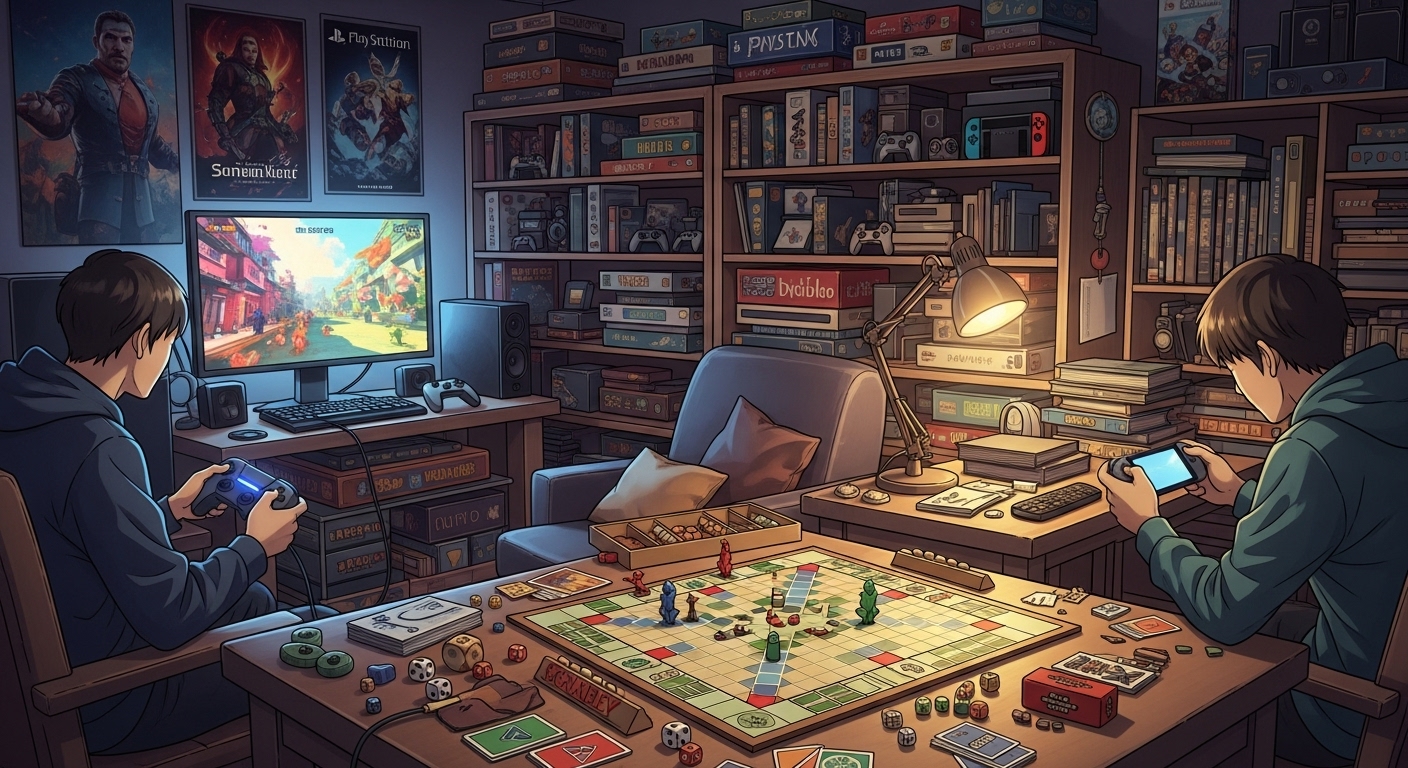
Introduction
Games have always been a source of entertainment, challenge, and creativity. From traditional board games to modern video games, they engage the mind, test skills, and provide endless hours of enjoyment. Beyond entertainment, games teach strategy, decision-making, and teamwork, making them a vital part of both recreation and learning.
The Evolution of Games
Games have evolved significantly over centuries. Early humans played simple games to pass time and develop skills, while modern games incorporate advanced technology, graphics, and storytelling. Board games, card games, and puzzles paved the way for video games, which now dominate the entertainment industry. Today, games range from casual mobile apps to competitive esports, catering to players of all ages and preferences.
Benefits of Playing Games
Playing games offers more than just fun. They improve cognitive abilities, such as memory, focus, and problem-solving. Strategy games teach planning and critical thinking, while action games enhance hand-eye coordination and reflexes. Multiplayer games foster teamwork, communication, and social interaction, making them both educational and enjoyable.
Video Games and Digital Entertainment
Digital games have transformed the way people engage with entertainment. With immersive graphics, realistic gameplay, and interactive storylines, video games offer experiences unlike any other. Online multiplayer games allow players to connect worldwide, building communities and friendly competition. The rise of esports has turned gaming into a professional career, inspiring millions to pursue competitive gaming.
Board Games and Traditional Games
While digital games dominate, traditional board and card games remain popular. Games like chess, monopoly, and poker encourage strategy, patience, and social interaction. They bring friends and families together, offering a shared experience that is both fun and mentally stimulating. Traditional games continue to thrive alongside modern digital entertainment, proving that fun comes in many forms.
Gaming as a Social Platform
Games are no longer just about playing; they have become a social platform. Gamers share experiences, strategies, and achievements online, creating communities and friendships. Gaming conventions, tournaments, and online forums provide spaces for fans to connect, celebrate, and compete. These social aspects of gaming make it a cultural phenomenon that extends beyond the screen.
The Future of Gaming
The future of gaming is bright and full of innovation. Virtual reality, augmented reality, and artificial intelligence promise more immersive and personalized experiences. Cloud gaming and mobile platforms are making games more accessible than ever. As technology continues to evolve, games will offer new ways to entertain, challenge, and connect players worldwide.
Conclusion
Games are more than just a pastime—they are a blend of fun, strategy, and creativity. From traditional board games to cutting-edge digital experiences, gaming engages the mind, strengthens social bonds, and inspires innovation. As the gaming industry grows and evolves, it will continue to shape entertainment, culture, and the way people connect with each other across the world.


