
 topgamerzone38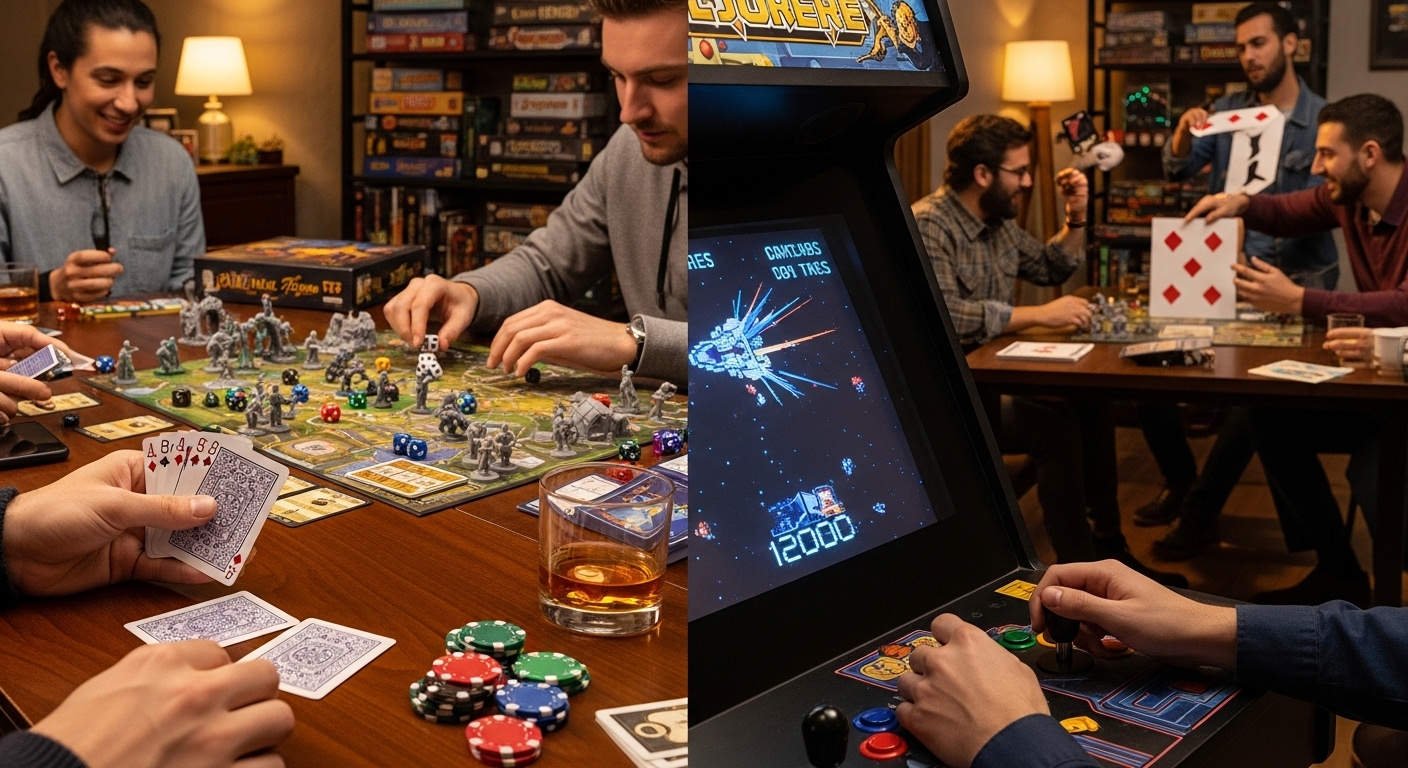
Introduction
Games are not just a form of entertainment; they are a reflection of the human experience, shaping and influencing everything from social interaction to cognitive development, culture, and technology. From the earliest board games to the rise of digital gaming and virtual reality, games have continually evolved, expanding their role in our daily lives. Today, gaming is not only a global industry but also a vehicle for education, social connection, and even personal growth. This blog post will explore the evolution of games, their profound impact on society, and their potential to shape the future.
The Early Days: Games as a Reflection of Society
Games have existed in various forms for centuries, with some of the earliest known games dating back thousands of years. Ancient civilizations such as the Egyptians, Mesopotamians, and Chinese all developed games that served not only as entertainment but also as tools for social bonding and education. One of the earliest known games, Senet, was played by the ancient Egyptians around 3100 BCE. This game, played on a rectangular grid, was more than just a pastime—it was believed to have spiritual significance, symbolizing the journey of the soul through the afterlife.
In ancient China, the game of Go, which dates back more than 2,500 years, was developed as a strategy game that taught military leaders to think critically and plan long-term. These early games were not simply a way to pass time; they reflected the culture, beliefs, and intellectual pursuits of the societies that created them. They were tools for socialization, education, and the development of important skills like strategy, communication, and critical thinking.
The Evolution of Board Games: Connecting People Through Play
By the 19th century, the industrial revolution and the rise of the middle class gave birth to a new era of leisure, and board games began to take center stage in households around the world. In contrast to the elite games of earlier centuries, these new games were designed for mass consumption, accessible to people from all walks of life. Games like Monopoly, Scrabble, and Clue became staples of family entertainment, offering a fun way to connect with others and develop new skills.
Monopoly, for example, became one of the most iconic board games of all time. While it was certainly entertaining, it also introduced players to economic principles like supply and demand, property ownership, and financial management. Scrabble challenged players to enhance their vocabulary and spelling skills, while Clue helped foster deductive reasoning and problem-solving. Board games, in this sense, were not only about having fun but also about learning and self-improvement.
As the popularity of board games grew, so did their variety. Games began to cover a wide range of themes, from detective mysteries to historical events, and from wordplay to strategy. This expansion of game types reflected the growing diversity of interests within society and allowed people to connect over shared experiences, regardless of age, background, or social class.
The Digital Revolution: The Birth of Video Games
The next major leap in the evolution of games came in the mid-20th century with the advent of digital technology. The introduction of the first video games in the 1950s and 1960s marked a turning point in the history of play. Early computer games were basic, consisting of simple graphics and minimal gameplay, but they laid the foundation for a new form of entertainment. The first commercially successful video game, Pong, was released in 1972 by Atari and became a global sensation, ushering in the age of arcade gaming.
The 1980s saw a boom in video games, with the introduction of home consoles like the Nintendo Entertainment System (NES) and the Sega Genesis. Games like Super Mario Bros., Pac-Man, and Space Invaders captivated players with their bright visuals, challenging levels, and immersive gameplay. Unlike traditional board games, video games allowed players to interact with the game world in ways that had never been possible before. With the rise of video games, play became more immersive and dynamic, offering new ways to engage with both the game and the story it told.
The Rise of Online Gaming: Connecting the World
As technology continued to advance, so did the capabilities of video games. One of the most significant shifts in the gaming world came with the rise of online gaming. In the late 1990s and early 2000s, the internet transformed gaming by enabling multiplayer experiences that connected players around the world. No longer were games confined to a single screen or a local group of friends. Now, players could team up or compete with others across the globe, creating a new kind of social gaming experience.
Online games like World of Warcraft and Counter-Strike became cultural touchstones, allowing players to forge friendships and build communities in virtual worlds. Massively multiplayer online role-playing games (MMORPGs) brought millions of players together in shared digital spaces, where they could embark on quests, battle enemies, and explore expansive environments. The advent of online gaming not only changed the way people played but also created a new form of social interaction, where individuals could meet, collaborate, and compete with others from different cultures and backgrounds.
The rise of online gaming also led to the emergence of competitive gaming, or eSports, which has since become a multi-billion-dollar industry. Games like League of Legends, Dota 2, and Fortnite have turned gaming into a spectator sport, with professional players and teams competing for huge cash prizes and global recognition. eSports tournaments draw millions of viewers, making gaming one of the most popular forms of entertainment worldwide.
Mobile Gaming: Making Play Accessible to Everyone
The rise of smartphones in the 2000s brought gaming to an even wider audience. Mobile games, which could be played on smartphones, tablets, and other portable devices, made gaming more accessible than ever before. Games like Angry Birds, Candy Crush Saga, and Pokémon Go became household names, attracting millions of players around the world.
Mobile gaming democratized gaming by allowing anyone with a smartphone to become a gamer, regardless of their location or access to expensive gaming consoles. The simplicity and accessibility of mobile games made them easy to pick up and play, even for people who had never considered themselves gamers before. These games, often free-to-play with optional in-app purchases, also introduced new monetization models, making mobile gaming a significant revenue driver for the industry.
The Impact of Games: More Than Just Entertainment
Games have always been about more than just fun. While they provide entertainment, they also serve as tools for personal development, education, and even therapy. Many modern video games are designed to promote critical thinking, problem-solving, and decision-making. Strategy games like Civilization and StarCraft challenge players to think critically and plan ahead, while puzzle games like Tetris and Portal enhance spatial reasoning and logic.
Games also offer powerful educational opportunities. Game-based learning has become an increasingly popular method of teaching, with educators using games to engage students and make learning more interactive. Educational games can teach everything from math and science to history and language, allowing students to learn in a fun and engaging way. Games like Minecraft and SimCity allow players to experiment with virtual environments, honing skills in areas like architecture, engineering, and economics.
In addition to education, games have become an important tool for mental health and therapy. Virtual reality (VR) games are being used to treat phobias, post-traumatic stress disorder (PTSD), and anxiety. Games like Beat Saber are also helping people stay physically active, offering a fun and immersive way to exercise. As research continues, it’s likely that we’ll see even more ways in which games can be used to improve our well-being.
The Future of Games: Virtual Reality, AI, and Beyond
The future of gaming is poised to be even more exciting, with technologies like virtual reality (VR), augmented reality (AR), and artificial intelligence (AI) pushing the boundaries of what is possible. VR and AR are already creating more immersive gaming experiences, allowing players to step into fully interactive worlds where they can explore, socialize, and even physically interact with the game environment.
In addition to VR and AR, AI is set to revolutionize gaming by creating more intelligent non-playable characters (NPCs), dynamic storylines, and personalized gameplay experiences. Games will become even more responsive to player choices, creating experiences that adapt and evolve in real-time. AI-driven games will also allow for more complex and realistic worlds, where characters and environments react to the player’s actions in more lifelike ways.
As gaming continues to evolve, we can expect new forms of play that blend the physical and digital worlds, offering even more ways to connect with others and experience entertainment. Whether through VR, AR, AI, or new gaming platforms, the future of games holds limitless potential.
Conclusion
Games have come a long way from their humble beginnings as ancient pastimes. Today, they are a global cultural force, shaping everything from social interaction to education and mental health. With the continued advancements in technology, the world of gaming will only continue to grow and transform, offering new ways to learn, connect, and experience the world. Whether you’re playing a casual mobile game, competing in an eSports tournament, or exploring a virtual reality world, games will remain an essential part of modern life, shaping the future in ways we can only begin to imagine.
Word count: 1,527


