
 topgamerzone38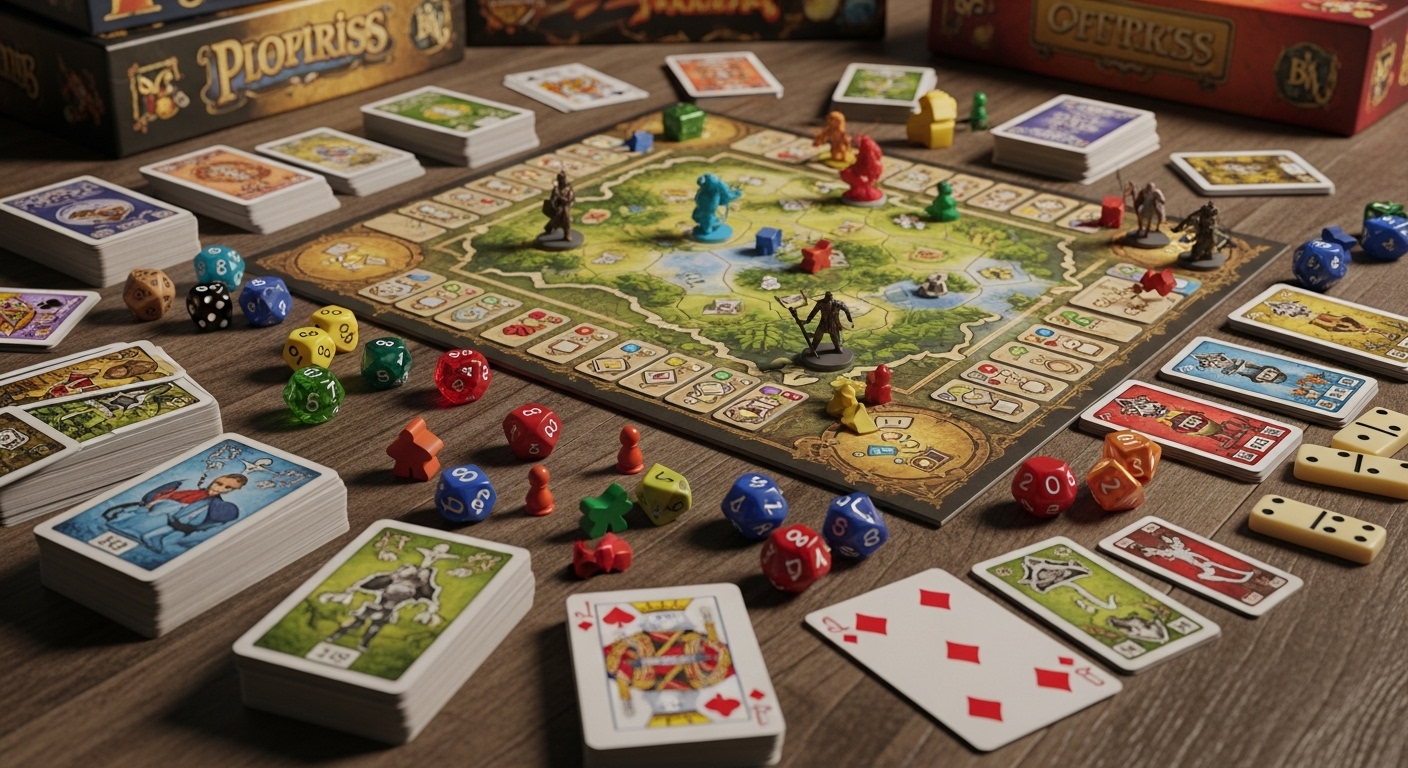
Introduction
Games have always been a part of human culture, providing entertainment, education, and social connection for millennia. From the ancient board games of Egypt to the high-definition, interactive worlds of modern video games, the evolution of games is both fascinating and complex. What started as a simple form of play has transformed into an expansive global industry that is constantly innovating and reshaping how we interact with entertainment and technology. Today, games are more than just fun—they are an integral part of culture, social life, education, and even professional competition. This post will explore the rise of games, the impact they’ve had on society, and where they are heading in the future.
The Roots of Play: Games Through the Ages
Games have existed in various forms for thousands of years. The earliest evidence of gaming comes from ancient civilizations, with games like Senet in Egypt, which dates back to 3100 BCE, and Go in China, which has been played for over 2,500 years. These early games weren’t just leisure activities—they were often linked to religion, philosophy, and social structures. For example, Senet was believed to represent a journey through the afterlife, while Go was a strategy game that taught military tactics and decision-making.
As humanity advanced, so did the complexity and variety of games. In medieval Europe, chess became a symbol of intellectual prowess, teaching strategy, foresight, and planning. Games were not just for entertainment but were used to teach important life skills such as strategic thinking and social interaction. They were tools for learning and development, as well as a way to bond with others.
The Rise of Modern Board Games
In the 19th and early 20th centuries, the industrial revolution and the rise of the middle class created a demand for entertainment that could be enjoyed at home. Board games, which had long been enjoyed by the elite, became more accessible to the masses. Games like Monopoly, Scrabble, and Clue emerged, quickly becoming household favorites. These games weren’t just about competition; they were about family bonding, socializing, and even learning important life lessons about economics, language, and problem-solving.
Monopoly, for example, reflected the capitalist nature of the time, teaching players about property ownership, negotiation, and the importance of strategic thinking. Scrabble, meanwhile, encouraged literacy and word knowledge, while Clue helped develop deductive reasoning skills. These games were not only fun but also educational, offering players opportunities to grow while they played. As the 20th century progressed, board games became an essential part of family life, offering a way to spend quality time together while engaging in friendly competition.
The Birth of Video Games
The biggest transformation in the world of games came in the mid-20th century with the invention of video games. The development of computers and digital technology opened up new possibilities for interactive entertainment. The first commercially successful video game, Pong, was released by Atari in 1972. It was a simple tennis simulation game, but its impact on the entertainment world was immense. For the first time, people could interact with a game on a screen, using a controller to control the movement of an object.
In the decades that followed, video games rapidly advanced. The 1980s saw the rise of arcade games like Pac-Man and Space Invaders, which became cultural phenomena. These games were simple, yet they provided an immersive experience that captivated players worldwide. By the late 1980s and early 1990s, home consoles such as the Nintendo Entertainment System (NES) and Sega Genesis brought gaming into people’s homes, making it more accessible than ever before.
Video games allowed for more complex gameplay than traditional board games, introducing new genres such as platformers, fighting games, and role-playing games (RPGs). The creation of Super Mario Bros. in 1985, one of the most iconic video games of all time, marked the beginning of a new era in interactive entertainment. It was a game that offered players a rich world to explore, filled with challenges, puzzles, and rewards. As the 1990s progressed, games like The Legend of Zelda, Final Fantasy, and Street Fighter introduced players to more immersive narratives, deeper gameplay mechanics, and multiplayer experiences.
Online Gaming: Connecting the World
As the internet grew in popularity during the late 1990s and early 2000s, online gaming emerged as the next great frontier in the gaming world. No longer confined to single-player experiences or local multiplayer, players could now connect with others from around the world in real-time, playing together or against one another. Games like Warcraft, Counter-Strike, and Quake offered competitive multiplayer experiences that brought a global community of players together.
In the mid-2000s, massively multiplayer online role-playing games (MMORPGs) like World of Warcraft became cultural milestones, with millions of players engaging in epic adventures in expansive virtual worlds. These games introduced a level of social interaction previously unseen in gaming, allowing players to form guilds, work together, and experience shared quests and challenges. World of Warcraft alone boasted over 10 million subscribers at its peak, with players spending hours each week exploring, battling, and collaborating.
Online gaming not only made gaming more social, but it also gave rise to new forms of competition, including the emergence of eSports. Competitive gaming, once a niche activity, became a global phenomenon, with tournaments, sponsorships, and a growing audience for live-streamed events. Games like League of Legends, Dota 2, and Fortnite have since become massive eSports titles, attracting millions of viewers and offering significant prize money for top players. This shift from casual play to competitive eSports has further solidified gaming’s place in the cultural mainstream.
Mobile Gaming: A Revolution in Accessibility
In the 2000s, smartphones revolutionized the way people played games. No longer confined to consoles or PCs, players could now enjoy games on the go, anywhere and anytime. Mobile games like Angry Birds and Candy Crush Saga became household names, thanks to their simple mechanics and widespread accessibility. These games were often free-to-play with in-app purchases, allowing players to enjoy games without needing to buy them upfront.
Mobile gaming democratized gaming even further, making it possible for anyone with a smartphone to become a gamer. Unlike traditional gaming, which required dedicated hardware and time, mobile gaming offered quick bursts of entertainment that could be enjoyed during commutes, breaks, or while waiting. The accessibility of mobile gaming has led to a massive increase in the number of people who consider themselves gamers, including people from all walks of life and age groups.
The Future of Games: Virtual Reality and Beyond
As technology continues to evolve, the future of gaming promises to be even more exciting and immersive. Virtual Reality (VR) and Augmented Reality (AR) are two technologies that are already changing the way we play games. VR gaming allows players to step inside a virtual world, interacting with the environment and characters as though they were physically present. Games like Half-Life: Alyx and Beat Saber have demonstrated the potential of VR to provide fully immersive gaming experiences that go beyond traditional screen-based gameplay.
Meanwhile, AR technology allows players to interact with the real world while engaging with digital content. Games like Pokémon Go have already made AR gaming mainstream, encouraging players to go outside and explore their surroundings while capturing virtual creatures. As AR technology becomes more advanced, it could open up new ways for games to blend the physical and digital worlds, offering unique experiences that have never been possible before.
In addition to VR and AR, the rise of artificial intelligence (AI) will likely have a profound impact on gaming. AI can create smarter and more adaptive non-playable characters (NPCs), making games feel more responsive and immersive. AI could also revolutionize storytelling in games, allowing for more dynamic and personalized narratives that respond to the choices players make.
The Social Impact of Games
Games have always been a way to bring people together, but in the digital age, they’ve become a major social force. Online multiplayer games, eSports, and game streaming platforms like Twitch and YouTube have created communities of players who share a passion for gaming. These communities allow players to connect with others across the globe, forging friendships, sharing experiences, and collaborating on in-game objectives.
Games also serve as a platform for self-expression and creativity. Games like Minecraft and The Sims allow players to build and create their own worlds, expressing their ideas and personalities through the game’s mechanics. Game modding communities further encourage creativity, enabling players to develop their own custom content and share it with others.
The impact of games extends beyond just entertainment and socialization. Games are increasingly being used in education, therapy, and even as tools for social change. Game-based learning platforms help students engage with educational content in interactive and fun ways. Games are being used to train employees, improve mental health, and address social issues like climate change and poverty. The potential of games to solve real-world problems is just beginning to be explored, and as the industry grows, it could play an even greater role in shaping society.
Conclusion
Games have come a long way from their humble beginnings as simple pastimes. Today, they are a powerful force in culture, technology, and society, with the ability to entertain, educate, and bring people together in ways that were once unimaginable. From the rise of digital gaming to the emergence of virtual reality and online communities, games have continuously pushed the boundaries of what is possible. As technology continues to advance, the future of games holds limitless potential. Whether it’s through new forms of immersive gameplay, AI-driven experiences, or the continued growth of online communities, games are set to remain a cornerstone of modern entertainment for years to come.


