
 topgamerzone38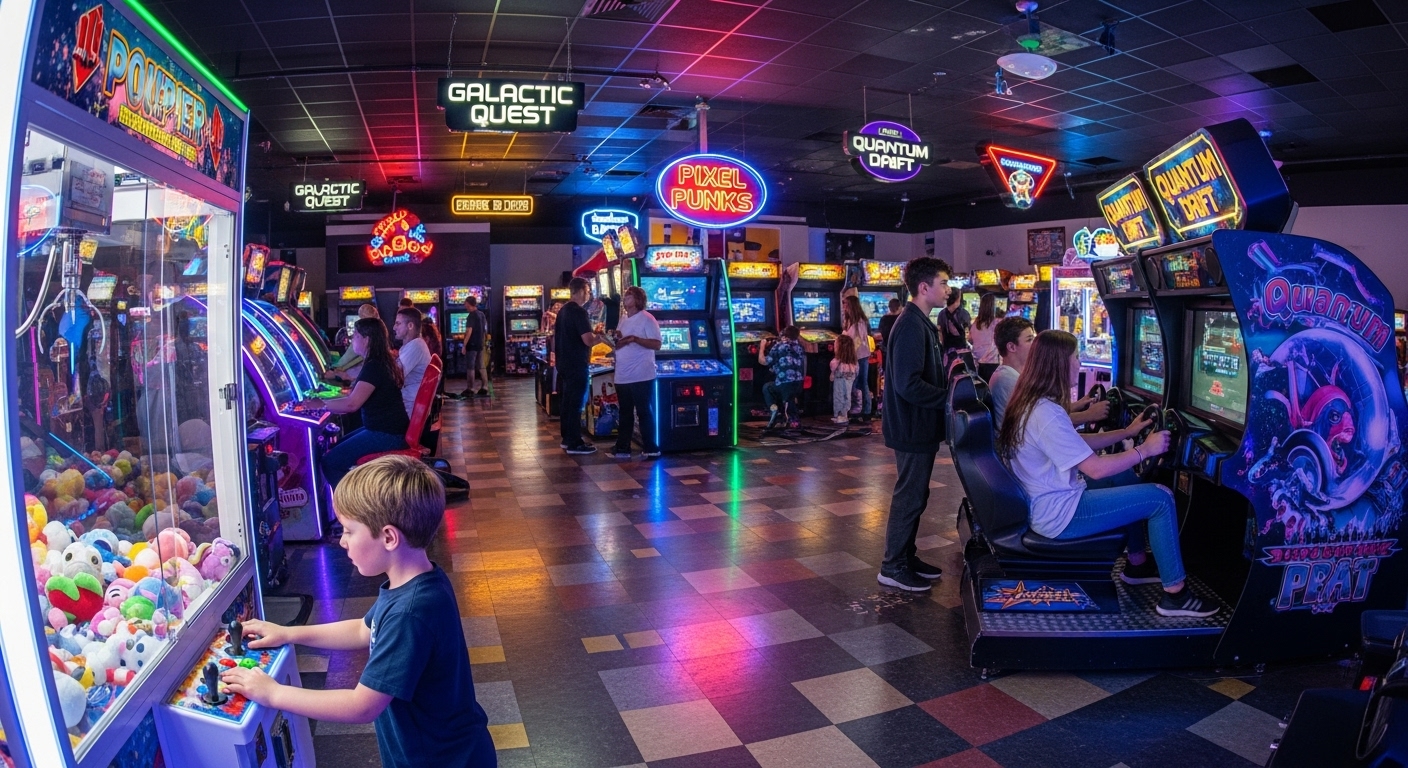
Introduction
Games have always been an integral part of human culture. From ancient board games carved into stone to complex digital adventures on powerful consoles, the concept of play has evolved alongside civilization itself. Games are more than entertainment; they are a reflection of creativity, strategy, and human connection. In the modern era, gaming has become a global phenomenon that bridges generations, cultures, and technologies. This blog explores how games have developed over time, their influence on society, their educational and emotional value, and how they continue to shape the future of entertainment and technology.
The Ancient Origins of Games
The history of games stretches back thousands of years. Early civilizations used games as both a leisure activity and a means of teaching strategy or social skills. Games like Senet in ancient Egypt and Go in China were not merely diversions; they represented philosophical and spiritual concepts. Chess, which originated in India, became a symbol of intellect and tactics, spreading across continents and cultures. These early games relied on physical pieces and human interaction, laying the foundation for the structured rules and systems we see in modern gaming.
The Transition to Mechanical and Early Digital Games
As technology advanced, so did the ways in which people played. The 19th and 20th centuries saw the rise of mechanical games and pinball machines, which brought play into public spaces like arcades and amusement parks. These games introduced an element of competition and skill that attracted players of all ages. By the mid-20th century, engineers and programmers began experimenting with computers to simulate games. One of the first digital games, “Tennis for Two,” was created in 1958, marking the dawn of the digital era of gaming. This innovation inspired a new generation of developers to imagine what interactive entertainment could become.
The Birth of Video Games
The 1970s witnessed a revolution in entertainment with the rise of video games. The introduction of arcade classics like Pong and Space Invaders captured global attention. These games, despite their simplicity, sparked the imagination of millions and laid the groundwork for an industry that would eventually surpass even the film and music industries in scale. The 1980s brought gaming into homes through consoles like the Atari 2600 and the Nintendo Entertainment System. Characters such as Mario, Donkey Kong, and Link became icons of popular culture, representing a new form of creativity and storytelling.
The 3D Revolution and Rise of Console Gaming
The 1990s brought a monumental shift as gaming transitioned from two-dimensional graphics to three-dimensional worlds. This era saw the rise of consoles like the PlayStation, Nintendo 64, and Sega Saturn, which pushed the boundaries of visual design and gameplay. Games like Super Mario 64 and Final Fantasy VII showcased the potential of immersive storytelling and exploration. Players were no longer confined to static screens; they could now roam freely in dynamic, interactive environments. The shift to 3D also elevated gaming’s artistic and cinematic potential, attracting new audiences and changing the way developers approached design.
The Social Era of Online Games
With the arrival of the internet, gaming entered its most transformative phase yet. The late 1990s and early 2000s introduced online multiplayer experiences that connected players around the world. Games like Counter-Strike, World of Warcraft, and Runescape gave birth to vast online communities. For the first time, players could collaborate or compete in real time with others across continents. Online gaming redefined social interaction by fostering friendships, rivalries, and communities. It was no longer just about completing levels or achieving high scores—it became about connection, teamwork, and shared experiences.
Mobile Games and Accessibility
The introduction of smartphones changed the landscape once again. Mobile games made gaming accessible to billions of people who had never owned a console or computer. Simple yet addictive titles like Angry Birds and Candy Crush Saga became cultural phenomena. Mobile gaming’s strength lies in its accessibility—anyone with a phone can play, regardless of age or skill level. This accessibility has blurred the line between casual and serious gaming, creating a more inclusive gaming environment. Mobile games also introduced new business models like free-to-play systems, reshaping the economics of the industry.
The Rise of Esports and Competitive Play
What began as friendly competition among friends has evolved into a professional global industry known as esports. Competitive gaming now attracts massive audiences, with tournaments filling stadiums and offering multi-million-dollar prizes. Games like Dota 2, League of Legends, and Fortnite have turned players into celebrities and created an entirely new form of digital sport. Esports combines skill, strategy, and teamwork, drawing parallels to traditional sports while maintaining a unique identity. Its rapid growth has also encouraged educational institutions to offer scholarships and training programs for aspiring professional players.
Storytelling and Emotional Depth in Modern Games
Modern gaming has become a storytelling powerhouse. Developers are no longer limited to creating simple gameplay mechanics—they can now craft complex narratives filled with emotion, character development, and moral choices. Games like The Last of Us, Red Dead Redemption 2, and Life is Strange have shown that gaming can evoke deep emotional responses and explore mature themes like loss, identity, and morality. Unlike movies or books, games allow players to influence the story through their actions, creating a personal connection that other media cannot replicate.
Technology and the Rise of Immersion
As technology advances, so does the level of immersion in games. Virtual reality (VR) and augmented reality (AR) have revolutionized how players experience digital worlds. VR headsets place players directly inside the game, allowing them to interact physically with virtual environments. Meanwhile, AR games overlay digital elements onto the real world, blending reality and fantasy. The development of powerful graphics engines, artificial intelligence, and motion capture has made games more realistic and responsive than ever before. This level of immersion not only enhances entertainment but also opens doors to new forms of training, education, and therapy.
The Role of Indie Games
While big studios dominate headlines, independent developers have brought creativity and diversity to the gaming landscape. Indie games often focus on unique mechanics, artistic expression, and emotional storytelling. Titles like Celeste, Hollow Knight, and Stardew Valley prove that innovation doesn’t require massive budgets. Indie developers have also redefined what success means in gaming by prioritizing originality and player experience over commercial trends. Their contributions keep the gaming industry fresh, experimental, and accessible to smaller creators worldwide.
Educational and Psychological Impact of Games
Games are not just entertainment—they can also be tools for learning and personal growth. Educational games help children develop problem-solving and critical thinking skills, while simulation games teach complex systems such as economics or urban planning. In psychology, gaming is used for therapy and rehabilitation, helping patients develop coordination and manage mental health. Studies have shown that gaming can improve cognitive flexibility, memory, and decision-making. When balanced responsibly, games can nurture creativity, teamwork, and resilience.
Cultural Influence of Games
Gaming has become deeply embedded in modern culture. Characters, music, and themes from popular games appear in movies, art, and fashion. Gamers form communities that celebrate their favorite franchises through conventions, fan art, and cosplay. Games also provide platforms for social commentary, exploring issues like identity, politics, and human rights. They serve as both a mirror and a catalyst for cultural expression, influencing how people connect, communicate, and create.
Challenges in the Gaming Industry
Despite its success, the gaming industry faces ongoing challenges. Issues like addiction, online toxicity, and exploitative monetization models have sparked global discussions. Developers are also under pressure to create inclusive and diverse content that represents all players. Balancing creative freedom with ethical responsibility is crucial for the future of gaming. As technology grows, so must awareness about healthy gaming habits and positive online behavior.
The Future of Games
The future of gaming promises innovations that will push the boundaries of imagination. Cloud gaming services are making high-quality titles available on any device, eliminating hardware limitations. Artificial intelligence will enhance both gameplay and development processes, creating smarter, more adaptive worlds. Advances in virtual reality and the concept of the metaverse could transform gaming into an interconnected digital ecosystem where players live, work, and play seamlessly. The next generation of games will likely blend entertainment, social interaction, and creativity into one holistic experience.
Games as a Universal Language
One of the most beautiful aspects of gaming is its universality. No matter where you are from, games transcend language barriers and cultural differences. They bring people together through shared goals and emotions. In an increasingly divided world, games provide common ground—a digital space where collaboration, competition, and creativity coexist. Whether it’s a group of friends playing online or families bonding over board games, the act of playing connects people in ways few other forms of media can achieve.
Conclusion
Games have come a long way from simple ancient pastimes to immersive digital experiences that touch nearly every aspect of modern life. They educate, entertain, and inspire, pushing the boundaries of technology and creativity. The evolution of games reflects humanity’s own journey of growth and innovation. As we move forward, games will continue to shape the way we learn, communicate, and experience the world. Whether on a console, a phone, or in virtual reality, games will always remain a celebration of imagination—a reminder that play is not just for fun,


