
 topgamerzone38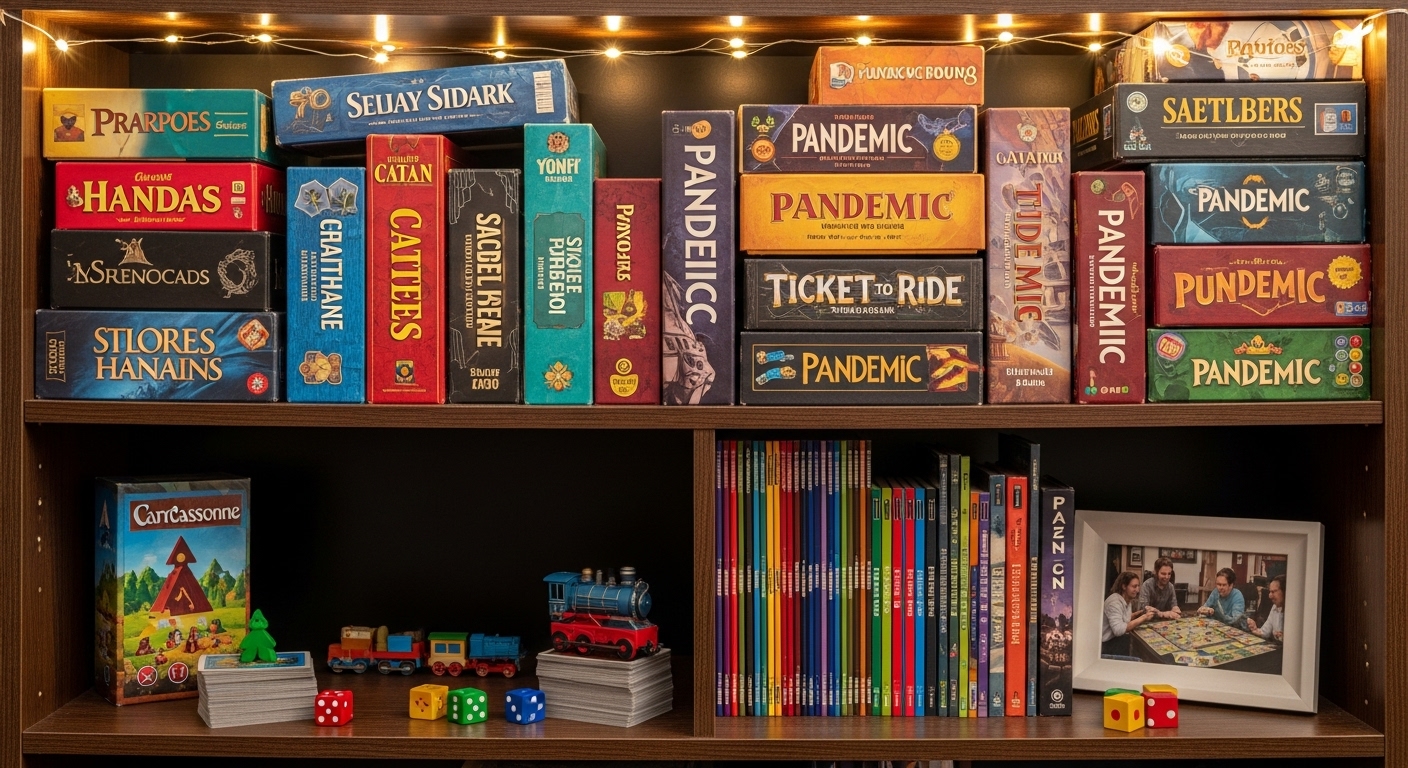
In the world of entertainment, few things have experienced as much growth and transformation as the realm of games. From simple board games and card games to immersive video games and interactive online experiences, games have always been an integral part of human culture. As technology continues to advance, the way we play games is constantly evolving, offering new and exciting experiences to players of all ages. In this blog, we will take a deep dive into the world of games, exploring their history, their impact on society, and their future in an ever-connected digital age.
The History of Games: From Ancient Beginnings to Modern Masterpieces
Games are not a new phenomenon; in fact, they have been part of human culture for thousands of years. The earliest evidence of games dates back to ancient civilizations, where games were used not only for entertainment but also for social, educational, and ritualistic purposes.
Early Games: Ancient Play and Ritual
The oldest known game in the world is Senet, an ancient Egyptian board game that dates back to around 3100 BCE. Archaeologists have discovered game boards in tombs, suggesting that games were deeply embedded in social and cultural rituals. Similarly, the Royal Game of Ur, which originated in Mesopotamia around 2600 BCE, is another example of an ancient game that combined strategy and chance.
In other parts of the world, games like Go in China, Chess in India, and Mancala in Africa have played important cultural and intellectual roles for centuries. These games not only provided entertainment but were also used as a tool for learning strategy, logic, and social interaction.
The Birth of Modern Games
Fast forward to the 19th century, and we begin to see the emergence of more recognizable forms of games as we know them today. Board games like Monopoly, Scrabble, and Clue became household staples, offering family-friendly fun and a way to bring people together. At the same time, card games such as Poker, Bridge, and Solitaire became popular, with many games being adapted for mass-market appeal.
However, the true revolution in the world of games occurred with the advent of digital technology. The 20th century saw the creation of the first video games, a transformation that would forever change the landscape of gaming.
The Rise of Video Games: From Arcades to Home Consoles
In the late 20th century, video games emerged as a new and exciting form of entertainment. The first video game, Pong, was released in 1972 by Atari and quickly became a sensation in arcades around the world. This simple game of simulated table tennis marked the beginning of a new era in gaming.
By the late 1970s and early 1980s, the arcade boom was in full swing, with games like Space Invaders, Pac-Man, and Donkey Kong capturing the imaginations of millions. Arcades became social hubs, where players could gather, compete, and enjoy games together. However, the next big leap came when home consoles made gaming more accessible and personal.
The Home Console Revolution
In the mid-1980s, the launch of the Nintendo Entertainment System (NES) revolutionized the gaming industry. With its iconic titles like Super Mario Bros. and The Legend of Zelda, the NES brought gaming into the home and established video games as a mainstream form of entertainment. This era also saw the rise of other major console manufacturers, including Sega, Sony, and Microsoft, each of whom would go on to create some of the most iconic gaming systems in history.
The 1990s saw further advancements in gaming technology with the introduction of 3D graphics and more immersive gameplay. Consoles like the Sony PlayStation, Nintendo 64, and Sega Dreamcast pushed the boundaries of what was possible in gaming, allowing developers to create vast, intricate worlds that were filled with interactive elements and complex narratives.
The Evolution of Game Genres: Diversity and Innovation
As the gaming industry grew, so did the variety of game genres available to players. From platformers and shooters to strategy and role-playing games, the sheer diversity of game types has allowed players to find experiences that cater to their unique tastes and preferences.
Platformers and Action Games
Platformers have always been a staple of the gaming world. In these games, players typically control a character that must navigate through a series of obstacles or levels. Games like Super Mario Bros., Sonic the Hedgehog, and Rayman are iconic examples of the genre. These games are characterized by their fast-paced action, colorful visuals, and intuitive controls.
Action games, often closely tied to platformers, focus on combat, exploration, and puzzle-solving. Games like The Legend of Zelda and Metroid combine these elements to create engaging adventures that challenge players both mentally and physically.
Role-Playing Games (RPGs)
Role-playing games (RPGs) are another genre that has seen tremendous growth over the years. In these games, players take on the roles of characters within a fictional world and embark on quests or missions. RPGs often feature deep narratives, character development, and open-world exploration. Some of the most influential RPGs include Final Fantasy, The Elder Scrolls, and Mass Effect.
The genre has evolved over time, with the introduction of online multiplayer RPGs such as World of Warcraft and Guild Wars, where players can interact with others in a shared world, building communities and forging alliances.
First-Person Shooters (FPS) and Action-Adventure
First-person shooters (FPS) have been one of the most popular genres in modern gaming. Games like DOOM, Half-Life, Call of Duty, and Halo have set the standard for fast-paced, action-packed combat in a 3D environment. The genre places players in the shoes of a character whose perspective is shown from the first-person viewpoint, allowing for a more immersive and intense experience.
Action-adventure games like Tomb Raider and Uncharted combine exploration, puzzle-solving, and combat elements into a single experience. These games focus on narrative-driven gameplay, where players follow the journey of a central protagonist through challenging environments and action-packed sequences.
Simulation and Sports Games
Simulation games focus on recreating real-life experiences or systems within a virtual world. The Sims series, for example, allows players to simulate the lives of virtual people, making decisions about their careers, relationships, and daily activities. SimCity and Cities: Skylines allow players to manage cities and infrastructure, while FarmVille introduced social simulation to a global audience.
Sports games, such as FIFA, Madden NFL, and NBA 2K, allow players to take control of their favorite teams and athletes. These games often strive for realism, with detailed graphics, accurate physics, and the ability to play through entire seasons or tournaments.
The Social Aspect of Gaming: Connecting People Across the Globe
In recent years, one of the most significant changes in the world of games has been the rise of social and online multiplayer gaming. What was once a solitary activity is now an increasingly social experience, with players connecting with others from around the world to compete, cooperate, and share their experiences.
Online Multiplayer Games
Games like Fortnite, Minecraft, and Apex Legends have transformed the gaming experience by allowing players to engage in real-time multiplayer experiences. These games provide a shared virtual space where players can collaborate, compete, and communicate. With the rise of online gaming platforms like Steam, Xbox Live, and PlayStation Network, players can now easily find others to play with, no matter where they are located.
Streaming and Content Creation
Streaming platforms like Twitch and YouTube have made gaming even more social by allowing players to broadcast their gameplay to audiences worldwide. Streamers and content creators can build large communities of followers who engage with them through live chat and social media. This new form of entertainment has blurred the lines between player and spectator, creating a new form of interactive entertainment.
The Future of Gaming: Virtual Reality, AI, and Beyond
The future of games is an exciting frontier, driven by technological advancements that promise to make gaming even more immersive, interactive, and engaging.
Virtual Reality (VR)
Virtual reality (VR) is one of the most promising technologies for the future of gaming. With VR headsets like the Oculus Rift and HTC Vive, players can experience games in a fully immersive 3D environment. VR technology allows players to physically interact with the game world, creating a sense of presence that traditional gaming cannot replicate. As VR hardware improves and becomes more accessible, it is likely to revolutionize how we play games.
Artificial Intelligence (AI) and Procedural Generation
AI and procedural generation are already having a significant impact on game design. AI allows for more dynamic and intelligent behavior in non-playable characters (NPCs), while procedural generation enables the creation of vast, procedurally generated worlds that offer endless exploration opportunities. Games like No Man’s Sky and Minecraft already use procedural generation to create expansive, ever-changing worlds, and the potential for future innovations in this area is immense.
Cloud Gaming and Subscription Services
Cloud gaming platforms like Google Stadia, NVIDIA GeForce Now, and Xbox Cloud Gaming are changing the way games are accessed and played. Rather than requiring powerful hardware, cloud gaming allows players to stream games from the cloud, removing the need for expensive gaming consoles or PCs. Subscription services like Xbox Game Pass and PlayStation Now are also reshaping how players access and enjoy games, providing access to a library of titles for a monthly fee.


