
 topgamerzone38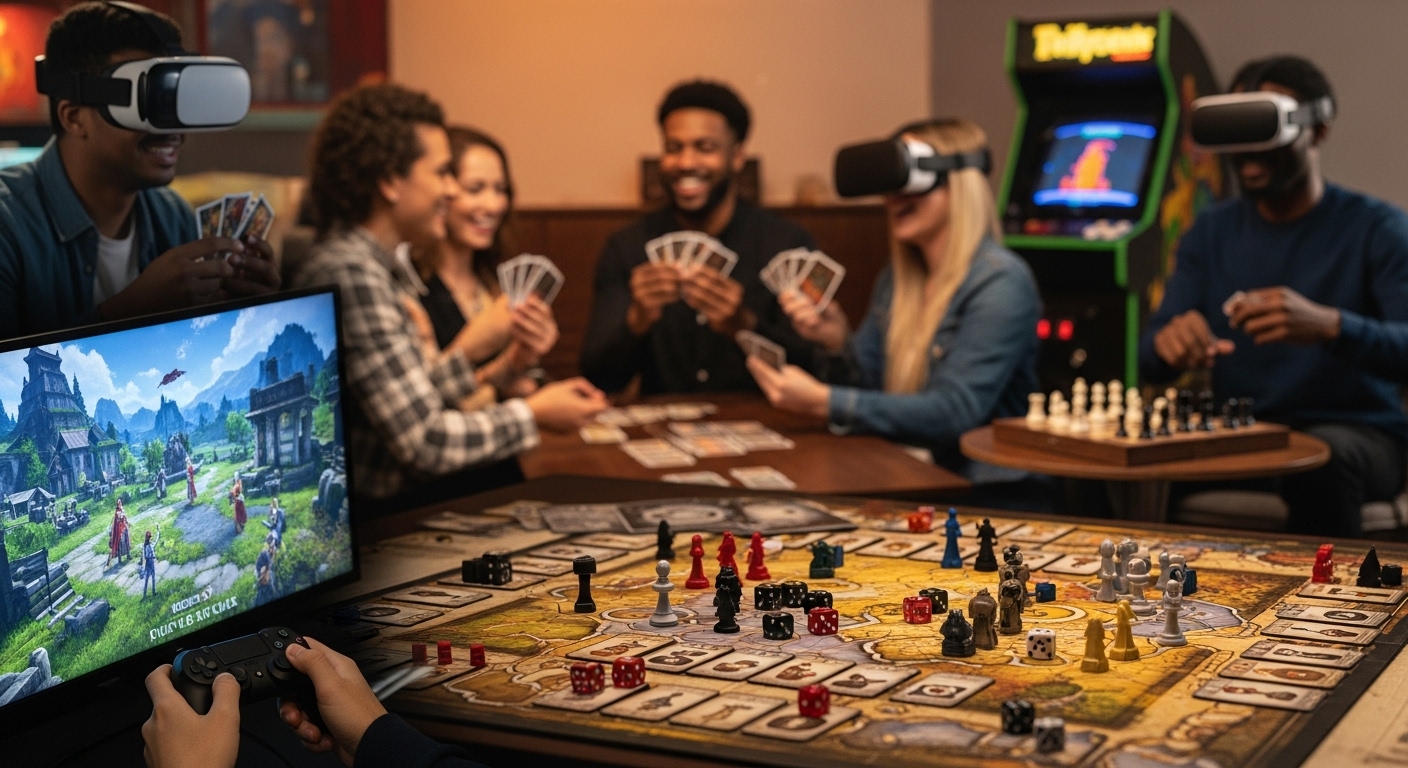
Introduction
Games have been a part of human culture for centuries, from ancient board games to modern video games. They are more than just fun—they challenge our minds, inspire creativity, and bring people together. Games engage players in problem-solving, strategy, and teamwork, providing entertainment while also fostering learning and personal growth.
The Evolution of Games
Games have evolved dramatically over time. Early games were simple, often relying on chance or basic strategy. Board games like chess and checkers challenged the mind, while outdoor games encouraged physical activity and social interaction. Today, games span multiple formats, including digital, tabletop, and role-playing games, offering a wide variety of experiences for players of all ages.
Games as a Tool for Learning
Games are powerful educational tools. Puzzle and strategy games enhance critical thinking and decision-making skills, while cooperative games teach teamwork and communication. Many modern educational games combine fun with learning, making complex subjects easier to understand. Through play, people develop cognitive abilities and problem-solving skills that extend into everyday life.
Social and Emotional Benefits
Games are inherently social. Multiplayer games, team sports, and interactive challenges bring people together, fostering friendships and cooperation. They also help players develop emotional intelligence by teaching patience, resilience, and empathy. Winning and losing in games provides a safe space to handle success and failure, lessons that are valuable in real-world situations.
Physical and Mental Engagement
While digital games primarily engage the mind, traditional and outdoor games promote physical activity. Sports and movement-based games enhance coordination, strength, and endurance. Games also reduce stress and improve focus, providing a balanced combination of mental and physical stimulation. They offer a healthy way to unwind while staying active and sharp.
The Future of Games
The world of games continues to evolve with technology and creativity. Virtual reality, augmented reality, and AI-driven experiences are creating immersive worlds that were once only imagined. Games are becoming more interactive, educational, and inclusive, offering experiences tailored to individual preferences and abilities. The future promises even more ways for games to inspire, challenge, and connect people.
Conclusion
Games are far more than simple entertainment—they are tools for growth, learning, and social connection. They engage the mind, strengthen relationships, and teach valuable life skills. From ancient board games to modern digital experiences, games continue to shape the way we think, interact, and enjoy life. By embracing the power of play, we discover a world of creativity, strategy, and joy that goes beyond the screen or the game board.


