
 topgamerzone38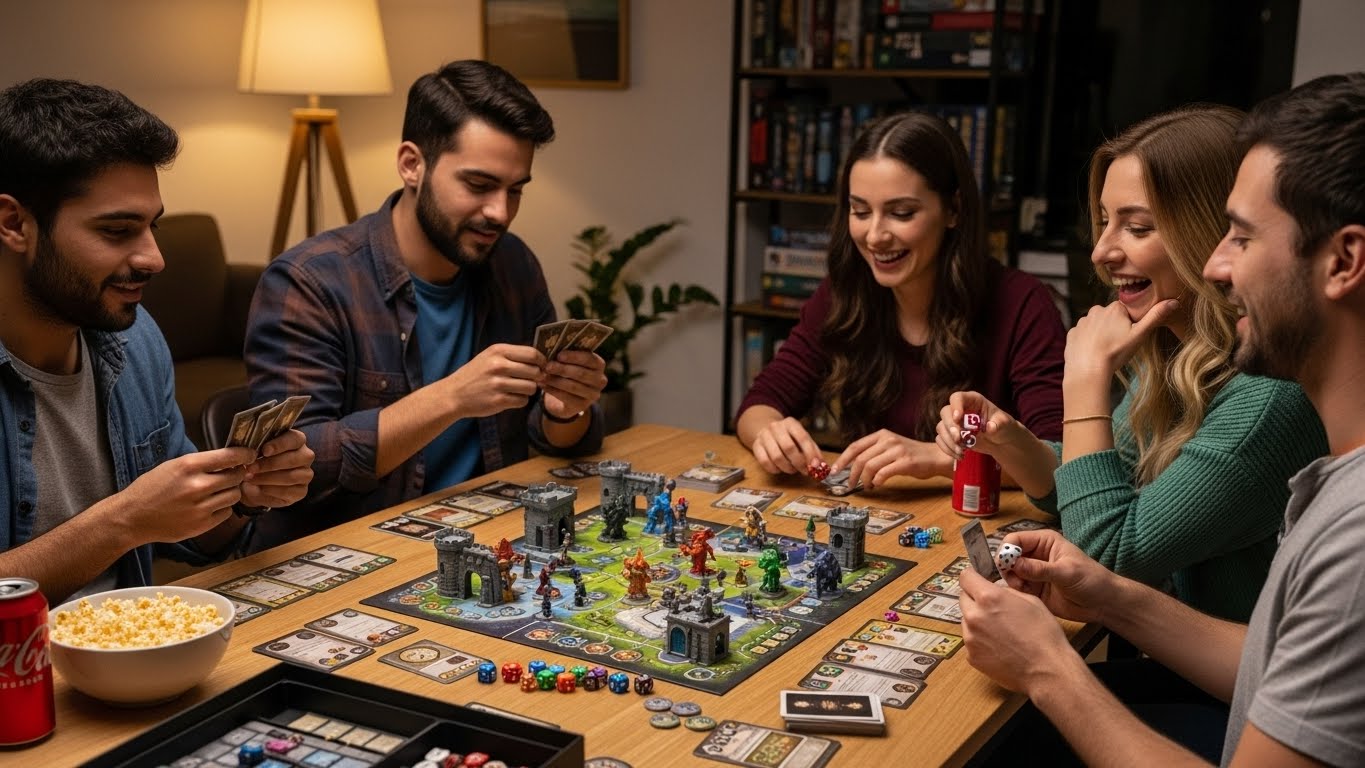
Games have been a fundamental part of human culture for centuries. From ancient board games to modern-day video games, play has always served as a way to relax, challenge the mind, and connect with others. The evolution of games, both digital and physical, reflects the changing times, technological advancements, and shifts in how we entertain ourselves. In this blog post, we will explore the diverse world of games, tracing their history, examining their cultural impact, and looking ahead at what the future holds for the gaming industry.
The Origins of Games: From Board Games to Early Video Games
Games, in their most basic form, have been around since the dawn of civilization. Evidence of ancient games can be traced back thousands of years to Mesopotamia, Egypt, and China, where people would play games like Senet and Mancala. These early games were simple yet strategic, often played with stones, pebbles, or other rudimentary materials. They were typically used as a form of entertainment but also had social, educational, and even spiritual significance.
Board games, such as chess and backgammon, emerged in ancient cultures and have endured throughout history. Chess, for example, is believed to have originated in India in the 6th century and spread to Persia, the Arab world, and eventually to Europe. The game’s strategic complexity and the need for critical thinking and foresight made it a favorite among intellectuals and royalty alike.
As the 20th century approached, technological advancements led to the creation of a new form of gaming: video games. The first commercially successful video game, “Pong,” was released in 1972 by Atari. A simple yet addictive game that simulated table tennis, “Pong” marked the beginning of the digital gaming revolution. Over the next few decades, arcade games, home consoles, and personal computers began to redefine what games could be, offering new forms of entertainment that were more interactive and immersive than ever before.
The Rise of Video Games: A Cultural Phenomenon
The late 20th century saw video games go from a niche hobby to a global cultural phenomenon. In the 1980s, iconic arcade games like “Pac-Man,” “Donkey Kong,” and “Space Invaders” captivated audiences around the world. These games were simple but challenging, and they created a sense of community, with players often gathering in arcades to compete for high scores and share their love of gaming.
As home gaming consoles like the Nintendo Entertainment System (NES) and Sega Genesis entered the market in the 1980s and 1990s, video gaming became even more accessible. Families could now play together at home, and the industry expanded with the release of iconic franchises like “Super Mario Bros.,” “The Legend of Zelda,” and “Sonic the Hedgehog.” These games introduced memorable characters, engaging storylines, and colorful worlds, sparking the imaginations of millions of players worldwide.
By the late 1990s and early 2000s, video games had become a legitimate form of entertainment, with a dedicated fanbase and even professional tournaments. Titles like “Final Fantasy VII,” “The Elder Scrolls III: Morrowind,” and “Halo” pushed the boundaries of what video games could achieve in terms of graphics, storytelling, and gameplay mechanics. The internet allowed gamers to connect online, and multiplayer games like “World of Warcraft” and “Counter-Strike” began to create large, global communities where players could interact, collaborate, and compete with each other.
The Diversity of Games: More Than Just Entertainment
While video games have become the dominant form of entertainment in the 21st century, games come in many different shapes and forms. From traditional board games and card games to sports, tabletop role-playing games, and even mobile games, the diversity of gaming experiences reflects the broad spectrum of human interests and creativity.
Board games and card games, though often overshadowed by digital gaming, continue to have a significant place in modern culture. Games like “Monopoly,” “Scrabble,” and “Settlers of Catan” have been enjoyed by families and friends for generations, offering opportunities for social interaction, strategy, and fun. In recent years, the rise of tabletop role-playing games (TTRPGs) like “Dungeons & Dragons” has also seen a resurgence. These games allow players to immerse themselves in fantastical worlds where they create characters, tell stories, and collaborate in shared adventures.
Sports, too, are a form of play, and their competitive nature has led to a global fanbase that spans countries, cultures, and continents. Whether it’s football, basketball, or even newer sports like esports, games provide a platform for people to showcase their skills, connect with others, and experience the thrill of competition.
Mobile gaming, which took off with the rise of smartphones, has opened up gaming to an even wider audience. Casual games like “Angry Birds,” “Candy Crush,” and “Pokémon GO” have made gaming more accessible and appealing to players of all ages, offering bite-sized experiences that can be enjoyed anywhere, anytime.
The Psychology of Games: Why We Play
Games are not just a way to pass the time; they serve a deeper psychological purpose. Whether it’s the satisfaction of completing a puzzle, the thrill of victory in a competitive match, or the escape offered by an immersive role-playing game, games offer rewards that are deeply satisfying to the human mind.
One of the key psychological elements of games is the concept of “flow.” Flow is a mental state in which a person is fully immersed in an activity, feeling a sense of control, focus, and enjoyment. Games are designed to create this state by offering challenges that are neither too easy nor too difficult, encouraging players to keep playing and improving. The reward system in many games, including leveling up, unlocking achievements, and gaining new skills, provides a sense of accomplishment and progress that can be highly motivating.
Games also provide an escape from reality, offering players a way to experience different worlds, stories, and characters. Role-playing games, in particular, allow players to step into the shoes of someone else, whether it’s a medieval knight, a space explorer, or a superhero. This sense of immersion can be deeply satisfying, providing a temporary respite from the stresses and challenges of everyday life.
In multiplayer games, competition and cooperation also play an important role. The social aspect of gaming is a major draw for many players. Online communities provide a sense of belonging, allowing people to connect with others who share similar interests and passions. Competitive games, such as first-person shooters or sports simulations, also tap into the human desire to test one’s skills and compete for dominance.
The Impact of Games on Society: From Entertainment to Education
Games have always been about more than just entertainment. Over the years, they have evolved into powerful tools for education, social change, and even therapy. The rise of serious games—games designed for educational or training purposes—has shown how gaming can be applied in various sectors, from healthcare to business.
Educational games, for example, allow children and adults alike to learn new skills in an interactive and engaging way. From language-learning apps to games that teach math, history, and science, games provide a fun and effective way to absorb information. Many schools and educational institutions now incorporate games into their curriculum, recognizing the power of play to stimulate critical thinking and creativity.
In the realm of social change, games have been used to raise awareness about important issues like environmentalism, mental health, and political activism. Titles like “This War of Mine” and “Papers, Please” offer players a chance to experience the challenges faced by individuals in war zones or oppressive regimes, encouraging empathy and understanding through interactive storytelling.
Therapeutically, games have been used to treat various mental health conditions, including anxiety and PTSD. Virtual reality (VR) games, in particular, have shown promise in creating immersive environments that help patients confront and process traumatic experiences. Gaming therapy has become an emerging field, and research continues to explore the benefits of using games as a tool for personal growth and emotional healing.
The Future of Games: What Lies Ahead?
The future of games is exciting and full of potential. With the rapid advancement of technology, the gaming industry is constantly evolving. Virtual reality (VR) and augmented reality (AR) are pushing the boundaries of what is possible, offering new ways to immerse players in digital worlds. VR gaming, in particular, is expected to revolutionize the industry, providing a truly immersive experience that blurs the line between the real world and virtual worlds.
Artificial intelligence (AI) is also changing the landscape of gaming. AI-powered characters, enemies, and allies can adapt to a player’s behavior, making games more dynamic and unpredictable. AI is also being used to create procedural worlds, where environments and quests are generated on the fly, offering players a unique experience every time they play.
Esports, or competitive video gaming, is also on the rise, with professional players competing for large prize pools in front of massive audiences. Esports events are broadcast globally, and the industry continues to grow in popularity, attracting sponsorships, media attention, and a new generation of fans.
Cloud gaming is another area to watch. With services like Google Stadia and Xbox Cloud Gaming, players can stream games directly to their devices without the need for powerful hardware. This democratizes access to high-quality gaming experiences, making it easier for people to enjoy the latest titles without the need for expensive consoles or PCs.
Conclusion: The Power of Play
Games have come a long way from their humble beginnings, evolving into a global cultural force that spans generations and cultures. From traditional board games to cutting-edge video games, games offer us a way to challenge ourselves, connect with others, and experience the world in new and exciting ways. As technology continues to shape the future of gaming, one thing is clear: games will remain a central part of human life, providing entertainment, education, and opportunities for growth for years to come. Whether


